
8 Reasons to Choose the Newton 7.0 for In Vivo Imaging
The Newton 7.0 sets a new benchmark in preclinical optical imaging. Designed for reliability and versatility, it enables researchers to visualize biological processes in real time with uncompromising image quality and ease of use. Here are eight reasons researchers choose the Newton 7.0 for in vivo imaging
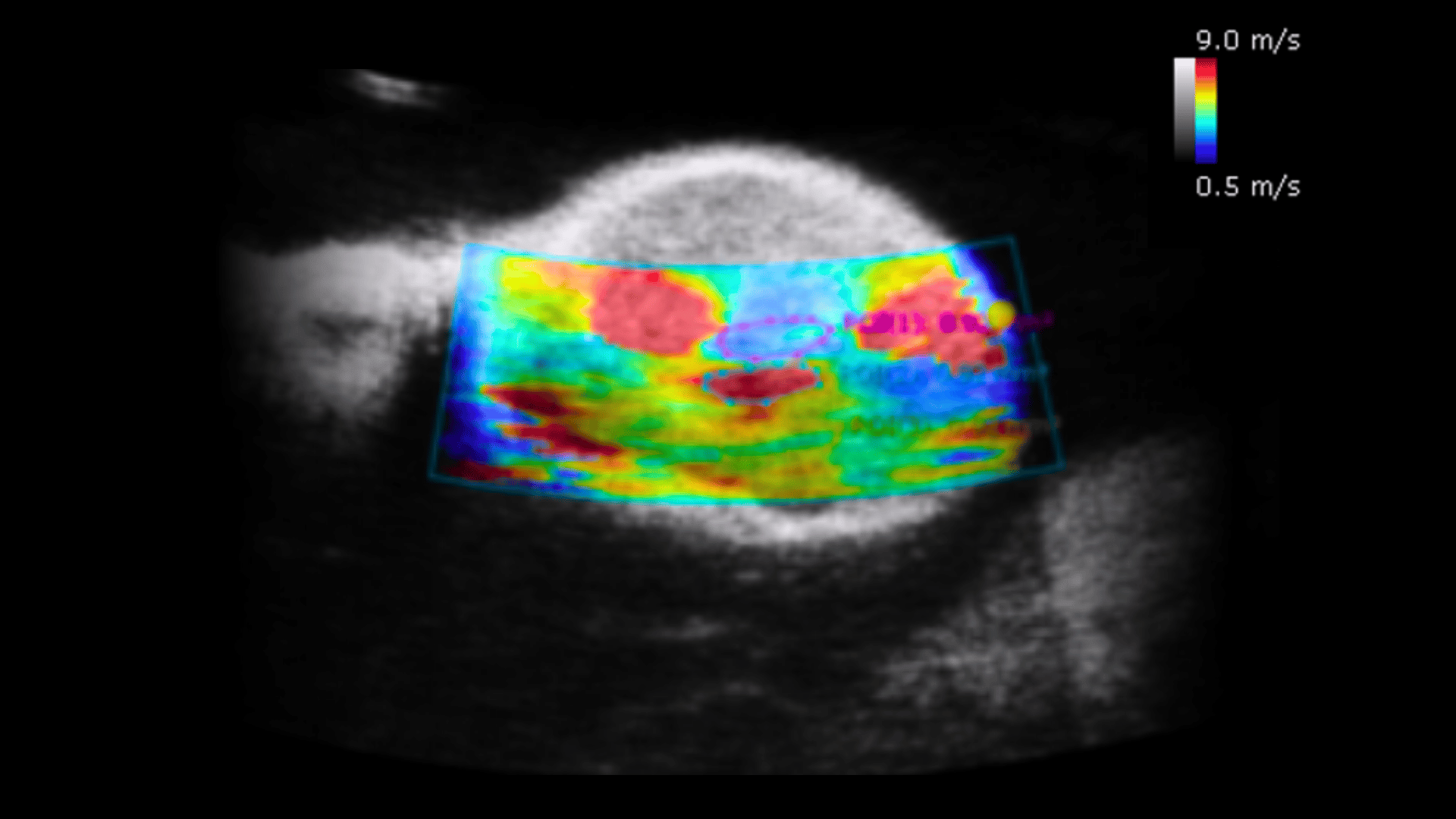
Clinical vs. Preclinical Ultrasound: Why Frequency Matters
Clinical vs. Preclinical Ultrasound: Why Frequency Matters View Paper Here Our Ultrasound System Prospect T2 In ultrasound research, resolution matters, especially when working in small animal models. Whether you're studying cardiovascular function in mice, monitoring

Scintica Morning Coffee Chat Episode 1: DXA & Ultrasound
https://youtu.be/KfbEW_b5Gpg?si=2xXwoxw-DuGtjq77 Join us on our first episode of the Scintica Morning Coffee Chat. This series is dedicated to discussing the use cases and benefits of different imaging modality and exploring how they can be combined symbiotically
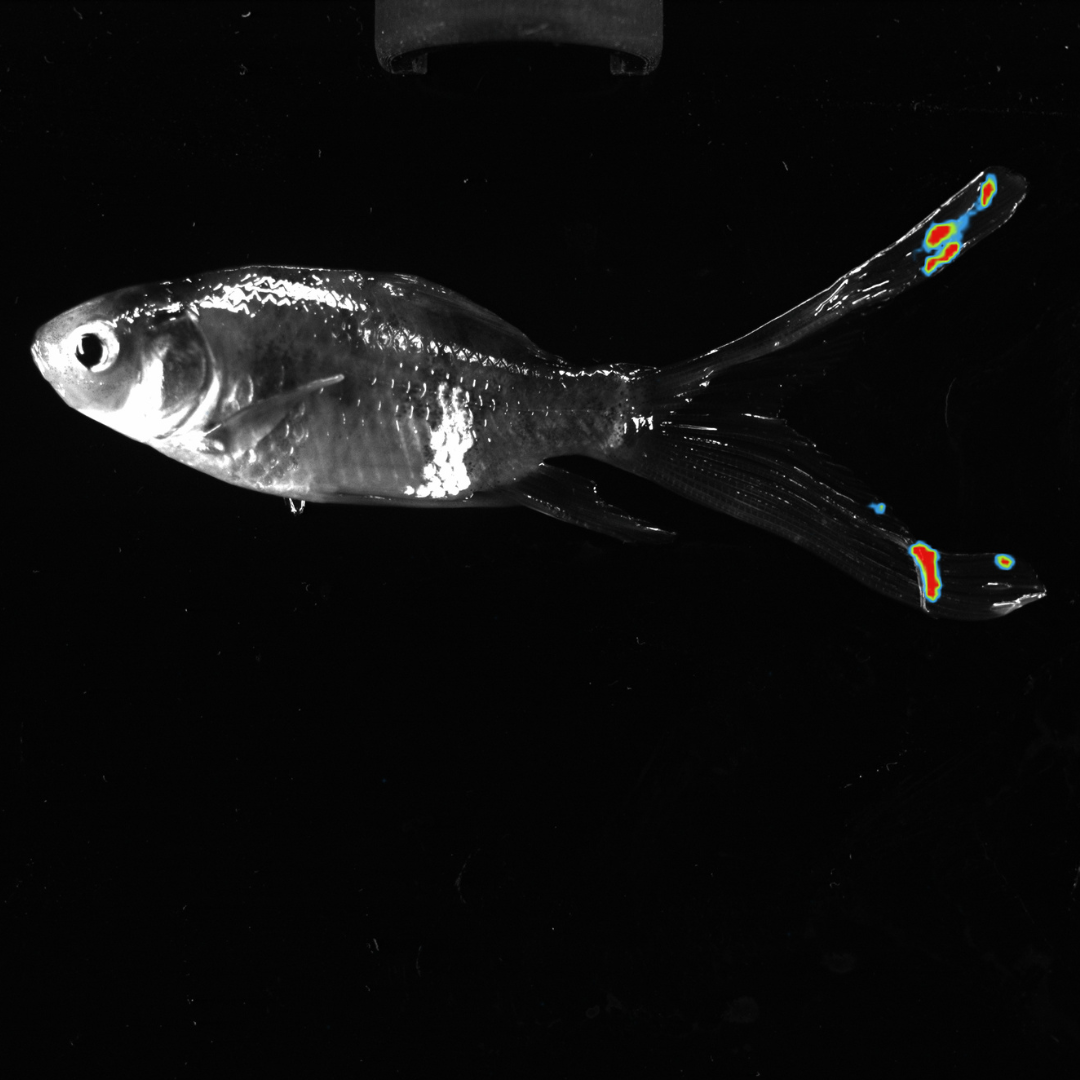
The Newton 7.0 Optical Imaging System: Championing the 3Rs to Drive the Future of New Approach Methodologies
In today’s preclinical research landscape, innovation is not just about advancing science -- it’s about doing so responsibly. The global shift toward New Approach Methodologies (NAMs) reflects this evolution, driving the replacement, reduction, and refinement of animal usage in
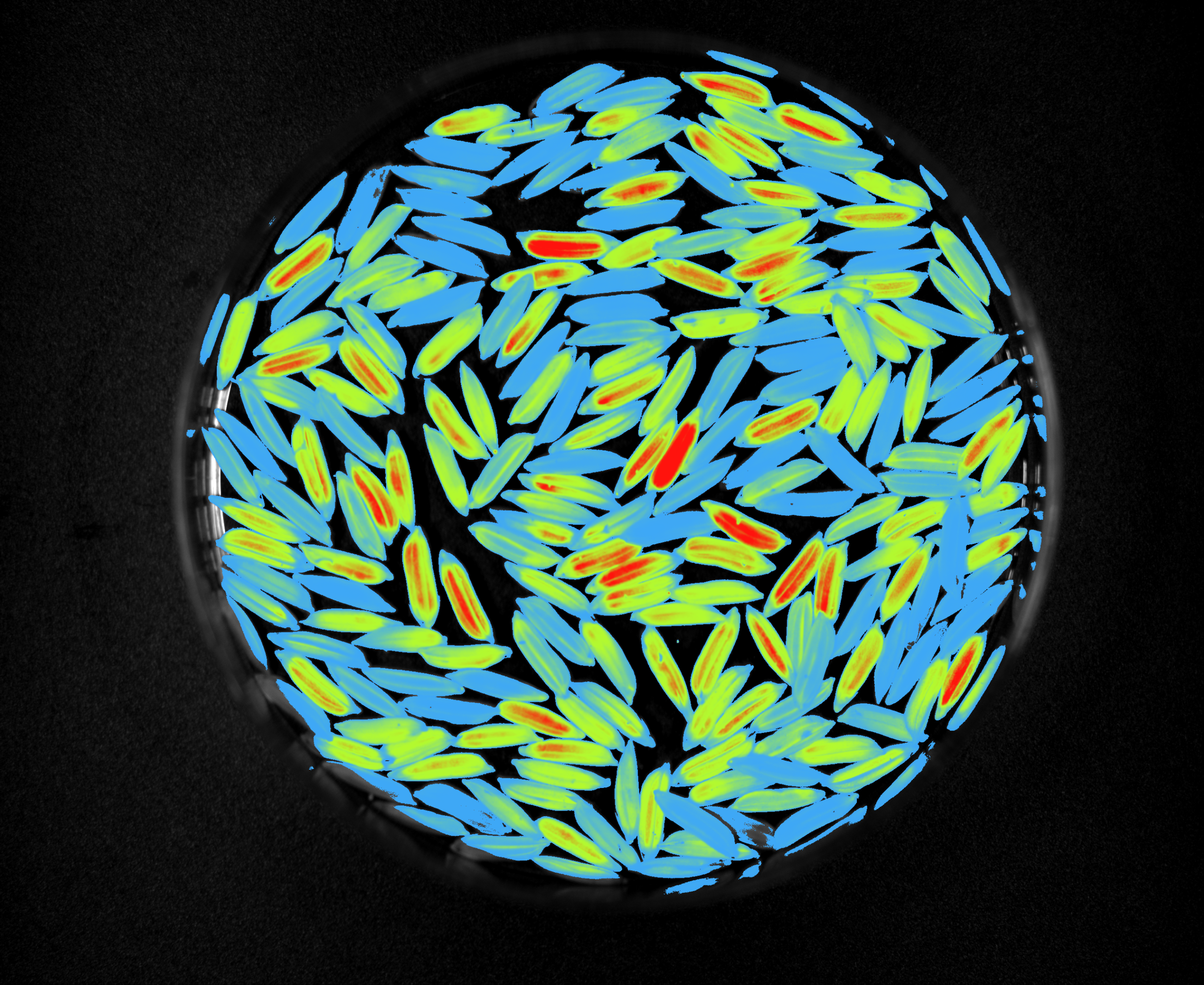
Science Corner: Glowing Everyday Objects: Exploring Fluorescence
Exploring Fluorescence: Everyday Objects Revealed Image courtesy of Brian Wagner, from left to right: Olive oil (contains various fluorescent compounds), Vitamin B-2, a.k.a. riboflavin, dissolved in water, Turmeric dissolved in water (contains the fluorescent molecule curcumin), A bar
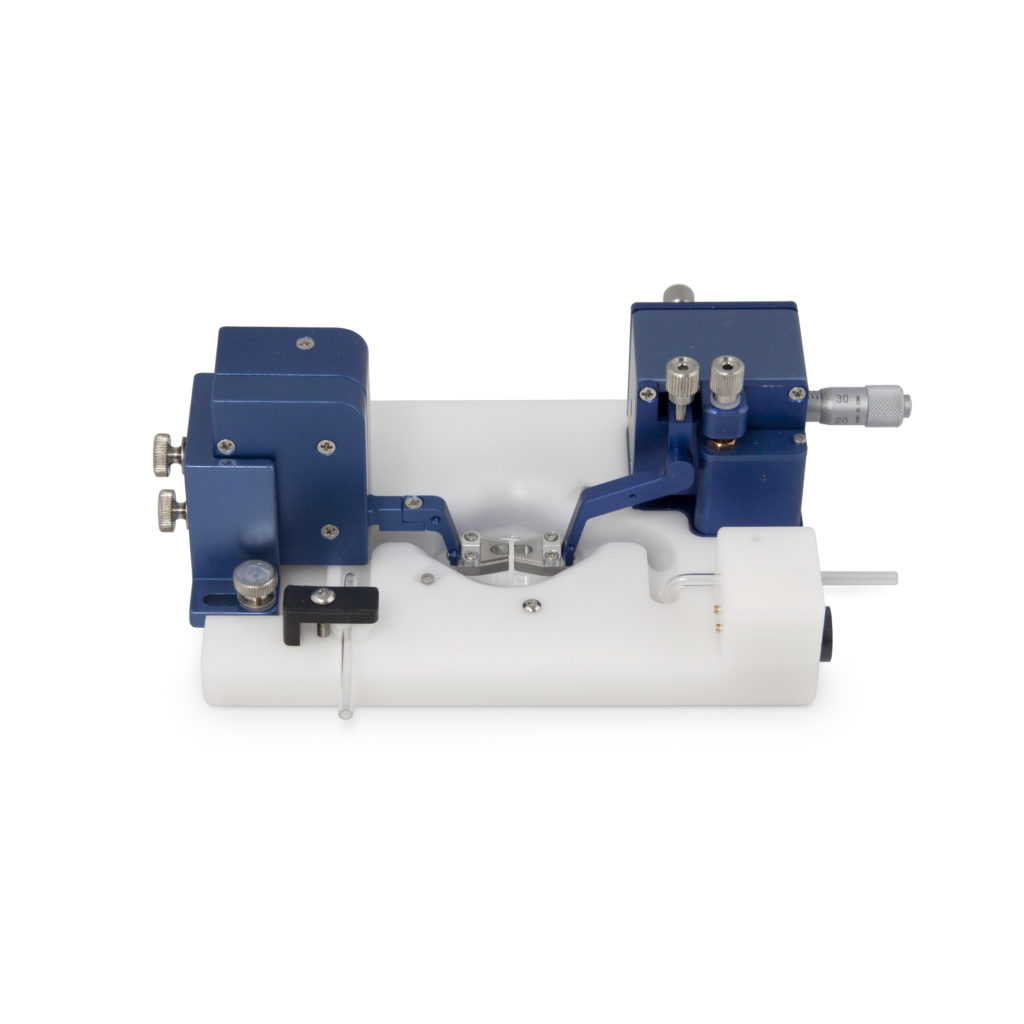
Advancements in Myograph Technology: A Deep Dive
Myograph technology is pivotal in understanding muscle function and biomechanics. Originally, myographs were fundamental tools that were used for measuring and recording muscle contractions. However, they have recently undergone a remarkable technological transformation. This change
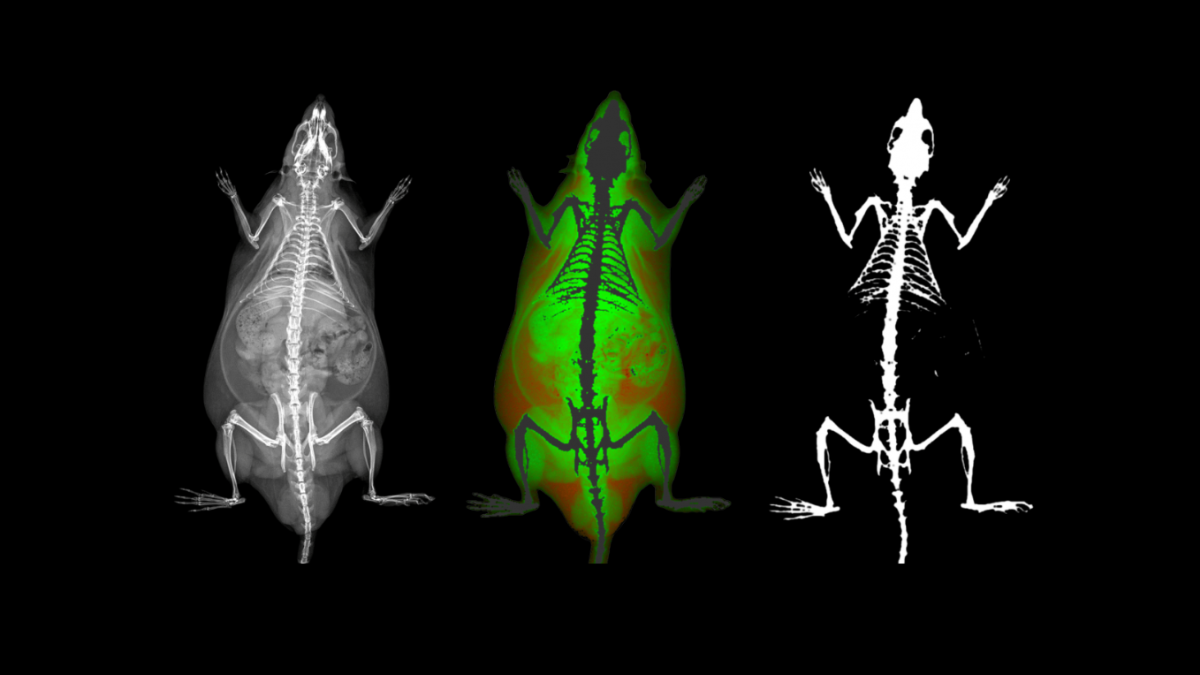
The Role of X-ray Absorptiometry in Preclinical Research
Preclinical research is being revolutionized by advanced imaging technologies. As a critical phase in the development of medical therapies, it can help us to enhance our understanding of diseases. Among these technologies, the Dual Energy
Gel Documentation Systems: Bridging the Gap in Modern Lab Research
A gel documentation system (GDS) captures images of nucleic acids and proteins in agarose or polyacrylamide gels, providing a digital footprint that is indispensable for qualitative and quantitative analysis. Integrating these systems into laboratory workflows
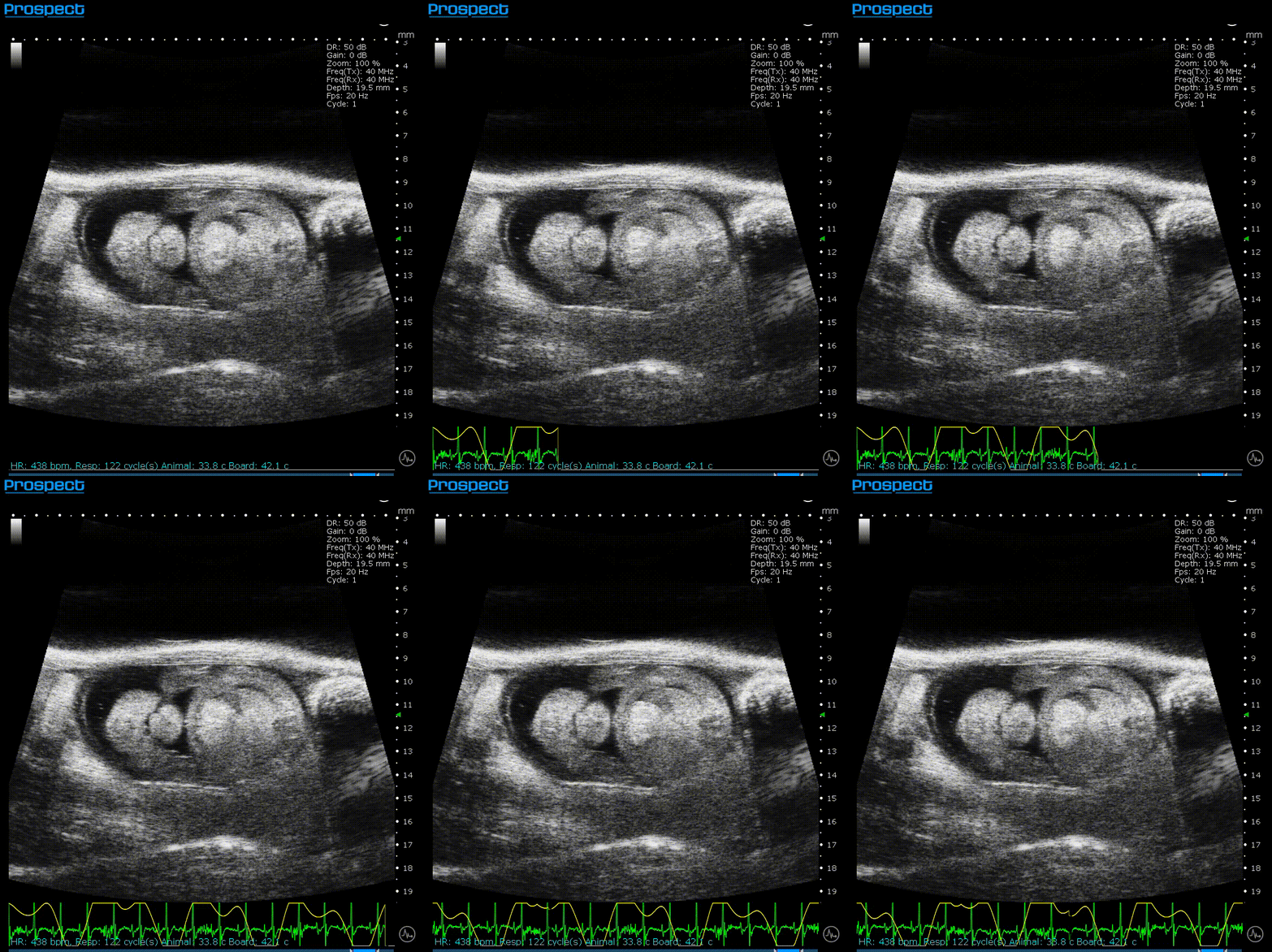
High-Frequency Ultrasound: Advancing Preclinical Research Outcomes
High-frequency ultrasound stands at the forefront of transformative technologies in preclinical research, offering unparalleled insights into the minutiae of biological processes. As researchers seek to unravel the complexities of disease and the impact of novel
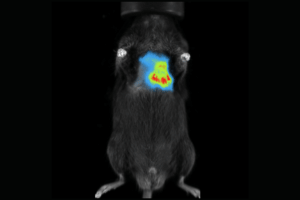
Advanced Optical Imaging Systems: A Deep Dive into BLI/FLI Techniques
Pursuing more accurate, detailed, and less invasive imaging systems is unending in the dynamic realm of preclinical research. Enter BLI/FLI techniques, the cutting-edge of optical imaging that is reshaping the biomedical research landscape. These tools